
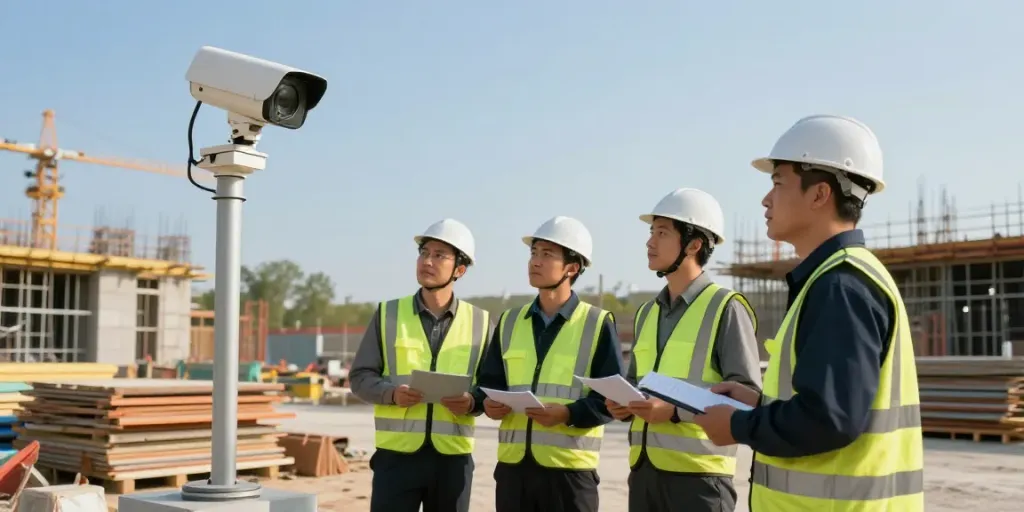
Understanding the Importance of Construction Site Security
In today's fast-paced construction environment, safeguarding projects is critical for ensuring efficiency, safety, and overall project success. Construction site security is not merely an option; it is a necessity that helps protect valuable assets, equipment, and personnel from potential threats. A well-strategized security plan can prevent costly thefts, injuries, and delays, ultimately fostering a smoother project execution. When exploring options, Construction Site Security offers insights on tailored security solutions that can fit diverse project needs.
Why Security is Critical for Construction Projects
Construction sites are often bustling environments filled with valuable assets, including machinery, materials, and tools. As a result, they become prime targets for theft and vandalism. Ensuring robust security not only protects the physical assets but also the investment of time and money associated with the project. Without adequate security measures, companies risk losing significant resources that could have been otherwise avoided.
Moreover, construction sites are prone to accidents, making safety protocols essential. Security personnel can deter potential criminals and respond swiftly to any emergencies, ensuring the safety of workers and the public. With a comprehensive security plan in place, companies can maintain a productive environment while significantly reducing risks.
Common Threats Faced at Construction Sites
Understanding common security threats is vital for implementing effective measures. Here are some prevalent threats faced in construction sites:
- Theft: Tools and equipment are frequently stolen, leading to costly replacements.
- Vandalism: Acts of vandalism can cause delays and additional costs associated with repairs.
- Unauthorized Access: Intruders can pose safety threats to workers and steal sensitive information or equipment.
- Workplace Injuries: Poor site security can increase the likelihood of accidents at the site.
How Construction Site Security Protects Valuable Assets
Proficient construction site security combines multiple strategies to safeguard assets effectively. Measures such as manned guarding, surveillance cameras, and access control systems create a formidable defense against potential threats. Manned security offers direct oversight, while surveillance systems extend surveillance capabilities in areas that are difficult to monitor constantly.
Access control measures ensure that only authorized personnel gain entry to the site, reducing the risk of theft and accidents. In addition, implementing robust security protocols fosters a culture of safety and accountability, making it less likely for incidents to occur.
Choosing the Right Construction Site Security Provider
Not all security providers offer the same level of service. Making an informed choice entails several considerations to ensure the selected provider meets specific project requirements and can deliver high-quality service.
Key Qualities of a Trusted Security Company
When evaluating a security company, several key qualities should be at the forefront of your criteria:
- Experience: Choose a company with a proven track record in construction site security.
- Accreditations: Look for licenses and certifications, such as SIA licensing and NSI approval.
- Reputation: Client testimonials can provide insights into reliability and quality of service.
- Responsiveness: A good security provider should always be available for rapid response scenarios.
- Customization: The ability to create tailored security solutions based on site-specific needs is paramount.
Evaluating Certifications and Qualifications
Security providers should hold relevant certifications that demonstrate compliance with industry standards. Specifically, in the UK, firms should be accredited by the Security Industry Authority (SIA), which enforces stringent licensing regulations for all security personnel. Companies should display these certifications prominently, and you should request documentation during the evaluation process to verify their authenticity.
Local Provider vs. National Security Firms: Pros and Cons
When deciding between local security providers and larger national firms, certain advantages and disadvantages must be weighed:
CriteriaLocal ProviderNational FirmPersonalized ServiceMore likely to provide tailored solutions and personal contact.Often a more standardized service with less personalized attention.Response TimeFaster response due to local presence.May have delayed response times due to larger operational logistics.PricePotentially more competitive pricing, especially for small projects.Pricing may be higher due to overheads.ExpertiseIntimate knowledge of local conditions and security threats.May offer broader expertise across various sectors but less local insight.
Cost Breakdown of Construction Site Security Services
Understanding the costs associated with construction site security services ensures budget compliance and cost-effectiveness. Multiple factors come into play when calculating these expenses.
Factors Influencing Security Service Pricing
Several key factors influence the overall cost of construction site security:
- The complexity of the security needs based on site size and risk level.
- Staffing levels required to ensure adequate coverage.
- Duration of the security service – costs may vary between temporary and ongoing assignments.
- Additional services such as technology integration (e.g., CCTV installations).
- Location of the project in relation to urban areas and crime rates.
Average Rates for Security Personnel in London
The costs for hiring security personnel can vary widely depending on the services required and the provider, but general rates for construction site security are as follows:
- Basic Guard Services: £12 to £20 per hour
- Event Security: £15 to £25 per hour
- Specialized Protection (e.g., Executive Protection): £20 to £35 per hour
Comparing Costs: DIY Security vs. Hiring Professionals
While some companies may consider establishing their security protocols in-house, the benefits of hiring professional security services usually outweigh the initial savings of DIY approaches. Professionals bring experience, training, and a comprehensive understanding of regulatory compliance that can protect the company from liability issues. Ultimately, investing in reputable security services may lead to cost savings in the long run through reduced theft and lower incident rates.
Licensing and Insurance for Security Providers
It is essential to work with security providers who are licensed and insured, which not only protects the service provider but also offers peace of mind to clients.
Understanding SIA Licensing in the UK
The SIA licensing framework ensures that all security personnel meet minimum training and professional standards. Providers are required to have a license for diverse roles, including security guards, CCTV operators, and door supervisors. By hiring an SIA-approved provider, companies can be confident that they are receiving services from trained and vetted personnel.
The Importance of Comprehensive Insurance Coverage
Comprehensive insurance coverage is crucial for minimizing risk and liability. Security providers should carry liability insurance to cover potential incidents that may arise during their service. Clients should request proof of insurance before finalizing any contracts to guarantee their protection.
How Licensing Affects Trust in Security Services
A credible security provider's licensing and insurance demonstrate a commitment to upholding industry standards. Clients can trust that they are working with a reputable company when these certificates are in place, reducing concerns about compliance and performance.
Client Testimonials and Success Stories
Understanding how a security provider has performed in real-world scenarios can help prospective clients gauge the quality and reliability of their services.
Real-life Examples of Effective Security Management
Securing high-profile construction projects often involves addressing unique risks. For example, a construction firm working on a high-value project faced unprecedented theft attempts. By implementing strict access control and manned guarding, the firm reduced theft incidents drastically, ensuring project timelines were met without disruption.
Client Reviews: What to Look for When Hiring
When reviewing potential security companies, look for consistent positive feedback from previous clients, particularly regarding responsiveness, professionalism, and effectiveness. Strong testimonials highlight the reliability of services, while reviews that indicate major issues can serve as red flags.
Building Long-term Relationships with Security Providers
Establishing a long-term partnership with a security provider can enhance overall project outcomes. Open communication, feedback, and continuous assessment promote successful interactions and adaptations to changing security challenges.
FAQs
What security is needed on a construction site?
Typical security needs on a construction site include 24/7 surveillance, access control systems, manned guarding, and efficient theft prevention measures. Customized security plans based on project specifics are often recommended for optimal results.
How much does construction site security cost?
Costs generally range from £12 to £35 per hour based on the services rendered, experience of personnel, and specific project needs. Each project may require a unique security budget dependent on size and complexity.
What does construction site security do?
Construction site security oversees asset safety, monitors site access, prevents theft, and responds to incidents as they arise, ensuring a secure working environment for personnel.. Additionally, Construction Site Security provides further details.